U.S. Secretary of State Marco Rubio has stated that the Trump administration is ready to deploy force if necessary to compel cooperation from Venezuela’s acting president, Delcy Rodríguez, making it clear that Washington does not intend to tolerate her government indefinitely.
Speaking before U.S. lawmakers during a congressional hearing on Wednesday, Rubio responded to questions on why Nicolás Maduro’s government had remained in place for years. He acknowledged the controversial nature of the individuals involved, noting that their actions would be unacceptable under the U.S. system. However, he emphasized that maintaining a corrupt leadership structure in Venezuela was never intended to be permanent U.S. policy.
When pressed by members of the Senate Foreign Relations Committee on how long Rodríguez would be allowed to remain in power, Rubio reiterated that the administration does not view her leadership as a long-term solution.
The hearing marked Rubio’s first appearance before Congress since the January 3 U.S. operation that led to Maduro’s capture. Lawmakers were sharply divided along party lines during the session. Republicans hailed the mission as a successful security operation, while Democrats criticized it as an unnecessary distraction from domestic challenges and questioned President Donald Trump’s remarks on NATO and Greenland.
Following Maduro’s arrest, President Trump announced that the United States would temporarily engage with Rodríguez rather than opposition leader María Corina Machado. Rubio is scheduled to meet Machado later on Wednesday at the State Department, after the conclusion of the Senate hearing.
Rubio maintained that the international community largely recognizes that Maduro lost the 2024 presidential election to Edmundo González, a candidate supported by Machado after she was disqualified from running. He reaffirmed Washington’s position that Venezuela must return to democratic governance through free and fair elections.
Defending the operation that led to Maduro’s arrest, Rubio described it as a law-enforcement action targeting an indicted drug trafficker. Nevertheless, he conceded that arresting the head of a ruling regime presents complexities beyond those of pursuing an ordinary fugitive. Maduro, who was charged by the U.S. Justice Department with offenses including narco-terrorism, has pleaded not guilty and is currently detained in New York.
In a written submission, Rubio revealed that Rodríguez had agreed to allow U.S. companies greater access to Venezuela’s energy sector, grant preferential oil production rights, and use proceeds from oil sales to purchase American goods. He added that she also pledged to halt oil exports to Cuba and pursue national reconciliation with Venezuelans both within the country and abroad.
Democratic lawmakers have condemned the raid as an unconstitutional act of war that bypassed congressional approval and could entangle the United States in a prolonged and costly effort to stabilize Venezuela.
Senator Jeanne Shaheen of New Hampshire, the ranking Democrat on the committee, criticized the administration’s decision to leave Maduro’s long-time vice president in control. She argued that Rodríguez has done little to reduce the influence of Iran, China, and Russia in Venezuela, describing her cooperation with Washington as superficial and short-lived.
According to Shaheen, the U.S. may have simply replaced one authoritarian leader with another, without achieving meaningful change in Venezuela’s geopolitical alignment.
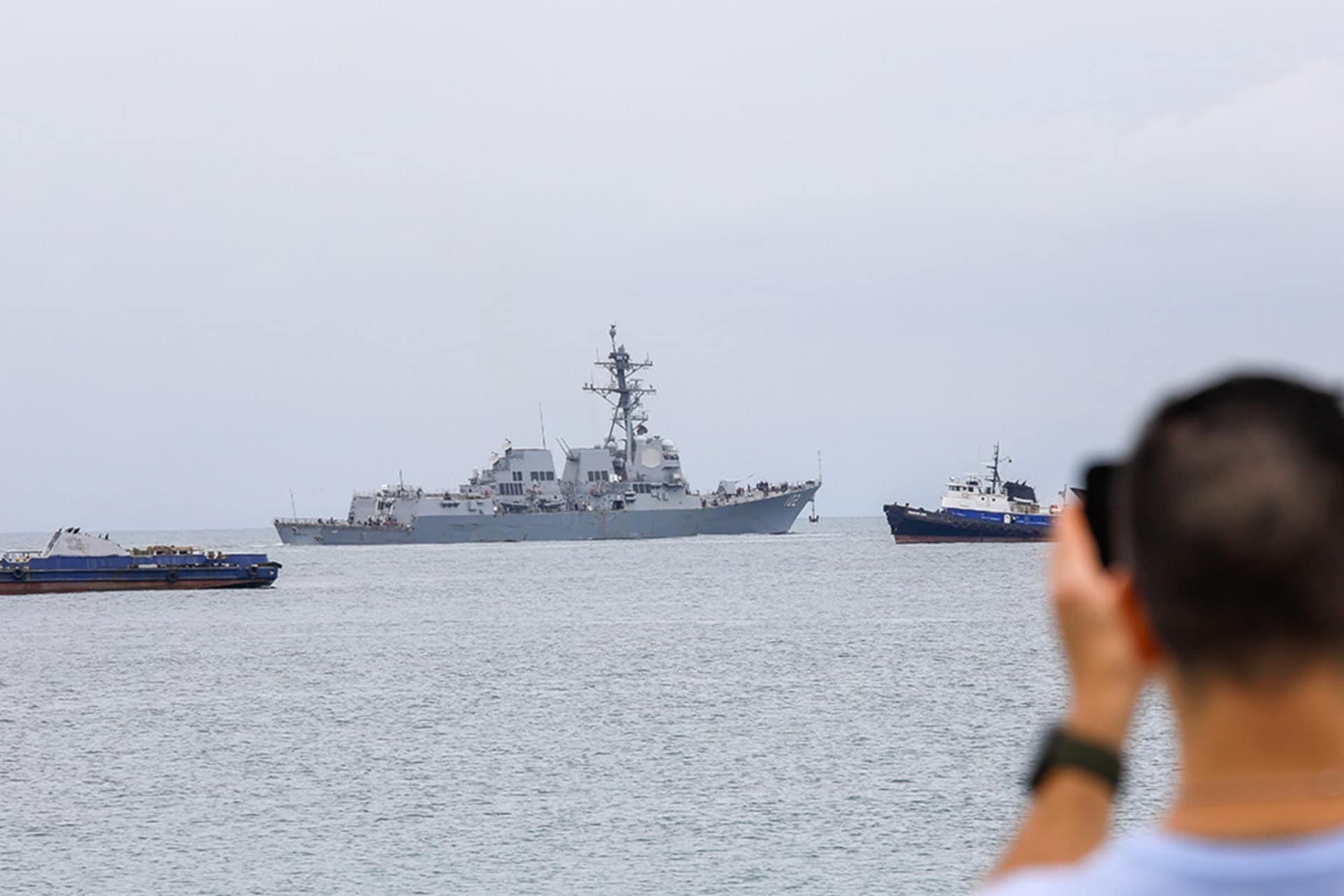
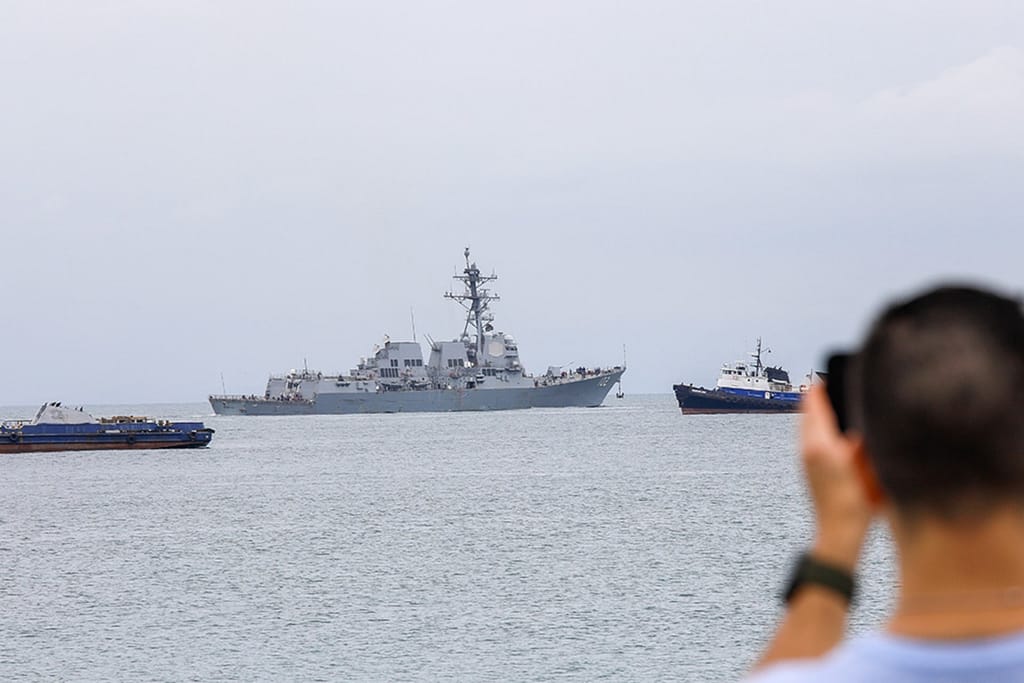
Last year, President Trump authorized the deployment of U.S. naval vessels to the Caribbean and ordered the destruction of boats allegedly linked to drug trafficking organizations. In recent months, his administration has shifted its focus to Venezuela’s oil sector, accusing the socialist government of expropriating American assets.
Trump has promoted a post-Maduro agreement that would see up to 50 million barrels of Venezuelan oil shipped to the United States. As part of broader enforcement efforts, U.S. authorities have intercepted at least seven oil tankers believed to be part of a global shadow fleet transporting sanctioned petroleum.
Earlier this week, Rodríguez accused the United States of excessive interference in Venezuela’s affairs, as her government faces mounting opposition from public-sector unions and left-wing groups over proposed reforms to the oil industry.
Republican Senator James Risch of Idaho, who chairs the committee, defended the operation against Maduro, asserting that it enhanced U.S. security and fell within President Trump’s constitutional authority. He argued that Maduro’s removal created an opportunity to restore stability in Venezuela and strengthen regional security.
About the Author